CNC Machine Shops
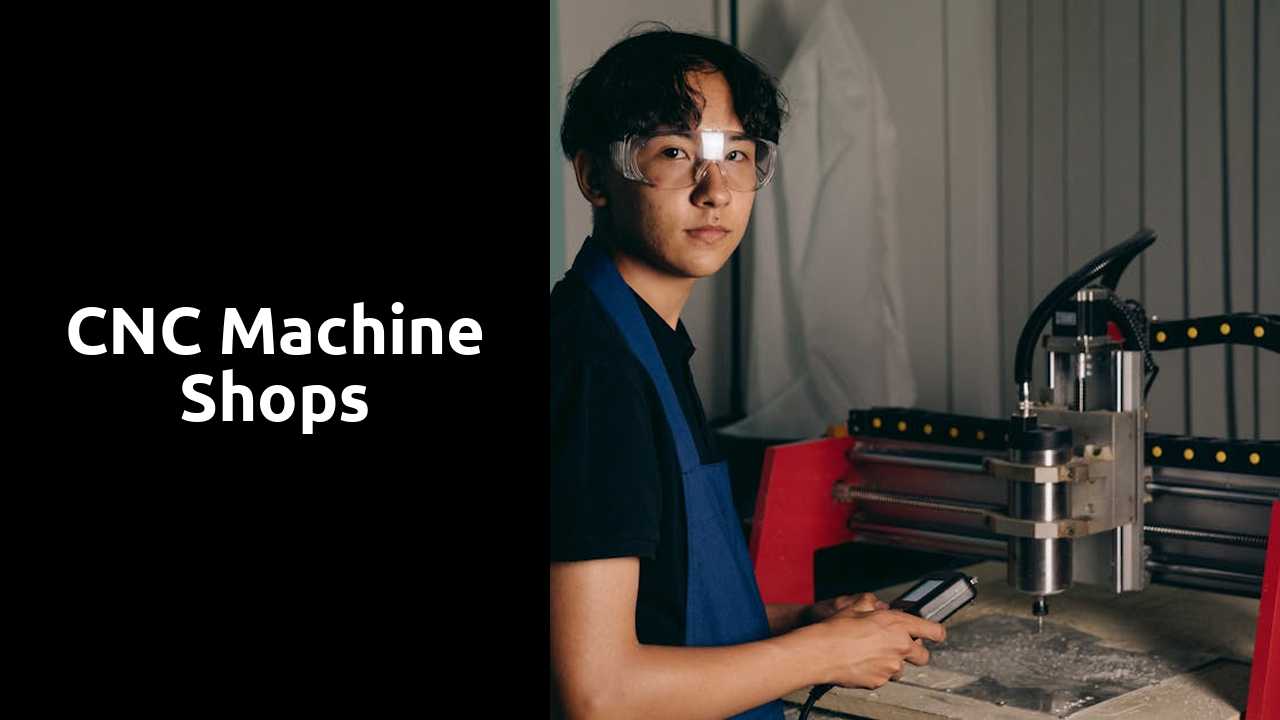
CNC Machine Shop Services
CNC machining is essential for producing high-precision parts across various industries. These services encompass a wide array of techniques including milling, turning, and grinding. The flexibility of CNC technology allows for the creation of complex geometries and intricate designs, catering to specific project requirements. Whether fabricating prototypes or mass-producing components, CNC machine shops provide tailored solutions to meet diverse client needs.
Manufacturers rely heavily on CNC machine shop services to enhance efficiency and accuracy in production processes. By utilizing advanced machinery and skilled operators, these shops can deliver high-quality products while minimizing waste and reducing lead times. The integration of automation and software advancements further amplifies productivity, making CNC machining a go-to choice for businesses aiming to maintain competitive advantages in their respective markets.
A Range of Offerings for Various Industries
CNC machine shops provide a diverse array of services tailored to meet the specific needs of different industries. From automotive to aerospace, each sector demands precision and efficiency, which CNC machining is designed to deliver. Shops often offer custom machining services, prototyping, and mass production capabilities. This versatility enables manufacturers to explore complex designs and incorporate advanced materials without compromising quality.
Industries such as healthcare and electronics also benefit significantly from CNC machining. Medical devices require intricate components that adhere to strict regulatory standards, while the electronics industry demands high-volume production of small, precise parts. CNC machines enable rapid manufacturing, ensuring that businesses can respond to market demands efficiently. By employing both standard and custom applications, CNC machine shops support innovation across various fields while maintaining operational excellence.
Choosing the Right CNC Machine Shop
Selecting a CNC machine shop involves careful consideration of several crucial factors. It's essential to assess the shop's capabilities, including the types of machinery available and the range of services offered. Look for a facility that utilizes advanced technologies and techniques to ensure precision in the manufacturing process. Additionally, consider the shop's experience with different materials and projects similar to your requirements, as specialized expertise can significantly impact the quality of the final product.
Another important aspect to evaluate is communication and customer service. A responsive CNC machine shop should be willing to engage with clients, providing updates throughout the production process and addressing any concerns that may arise. Furthermore, examining the shop's reputation through reviews and referrals can provide valuable insights. A shop with a solid track record in quality and reliability is often a reliable choice for meeting diverse machining needs.
Factors to Consider in Selection
Selecting a CNC machine shop requires careful evaluation of several factors that can impact the project's success. One important consideration is the shop’s experience and specialization in relevant industries. A shop that has a proven track record in specific applications can better understand the unique requirements and standards of your project, ensuring quality results. Additionally, look for certifications that comply with industry standards, as these can signify a commitment to excellence.
Another key element is the range of services offered by the machine shop. A shop equipped to handle a variety of processes, including milling, turning, and fabrication, can provide greater flexibility and streamline production. Furthermore, assessing the technology and machinery available is crucial; advanced equipment often leads to better precision and reduced turnaround times. By carefully weighing these factors, you can make a more informed decision that aligns with your project’s needs.
Cost Analysis of CNC Machining
Understanding the financial implications of CNC machining is essential for businesses looking to incorporate such services into their production processes. Various factors contribute to the overall cost, including material selection, machine operation hours, and labor expenses. Each project may have different requirements that influence these expenses, making it vital for companies to achieve a detailed cost analysis before proceeding.
Pricing structures exhibit a range of models, such as hourly rates for machine time or charges based on the complexity of the design. Companies often face decisions about possible trade-offs between cost and quality, requiring them to evaluate which factors are most critical to their manufacturing needs. This assessment can help businesses determine the best strategies for minimizing costs while ensuring precision and reliability in their machining processes.
Understanding Pricing Structures
Pricing in CNC machining varies widely based on several factors that help determine the final cost. Material selection plays a significant role; different materials, such as aluminum, steel, or plastic, come with distinct price points. Additionally, the complexity of the design and the required tolerances impact labor and machining time, which can further affect overall pricing. Volume also matters; larger orders often lead to reduced per-unit costs due to economies of scale, allowing for cost savings that benefit both the shop and the client.
Another crucial element in understanding pricing structures is the technology utilized by the CNC machine shop. Advanced machinery may have higher operating costs, yet they can deliver greater precision and efficiency, which may justify the investment for certain projects. Moreover, quoting practices can vary greatly among shops, with some offering flat-rate pricing while others may charge by the hour or based on specific project requirements. Communicating clearly with the shop to comprehend how these elements fit together will lead to better budgeting and expectations for your CNC machining projects.
Future Trends in CNC Machining
Advancements in artificial intelligence are beginning to significantly reshape the CNC machining landscape. Smart technologies are paving the way for improved automation, allowing machines to learn from past operations and optimize future processes. This not only increases efficiency but also reduces the risk of human error in production. As AI becomes more integrated into CNC systems, shops can expect higher precision and faster turnaround times.
Another pressing trend is the growing focus on sustainability in machining processes. Manufacturers are increasingly adopting eco-friendly materials and implementing waste-reduction practices to comply with regulatory standards and consumer demands. CNC machine shops are also exploring energy-efficient machinery and additives that minimize environmental impact. These sustainable practices will likely become standard as industries prioritize environmental responsibility while maintaining quality output.
Innovations Shaping the Industry
Advancements in technology continue to revolutionize CNC machining. Increased automation is one remarkable trend, enabling shops to reduce labor costs and enhance efficiency. Robotics integration streamlines processes, allowing for consistent quality and faster production times. Furthermore, the rise of artificial intelligence in CNC programming optimizes designs and minimizes errors, improving overall productivity.
Additive manufacturing is another innovation gaining traction within the industry. This process complements traditional CNC machining by allowing the creation of complex geometries that would otherwise be difficult to achieve. As materials science advances, the range of materials available for 3D printing expands, providing further versatility in applications. These innovations collectively contribute to a more dynamic landscape in CNC machining, driving competitiveness and creativity among manufacturers.